


You have no items in your shopping cart.












02
Jun
What Is a Dry Herb Vaporizer?
If you’re new to the world of herbal devices, you might be wondering: what is a dry herb vaporizer, and how does it work?
In simple terms, a dry herb vaporizer is a device that heats ground botanical material to a temperature high enough to release active compounds as vapour — without burning the plant material.
Unlike traditional smoking, which relies on combustion, vaporization uses controlled heat to extract cannabinoids, terpenes, and flavonoids in a smoother, more efficient way.
Let’s break down the fundamentals.
What Is a Dry Herb Vaporizer?
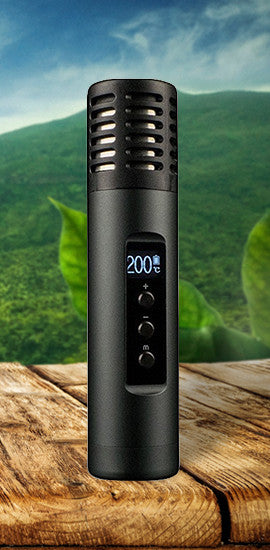
A dry herb vaporizer is a temperature-controlled device designed specifically for loose-leaf botanical material.
It works by:
- Heating ground herb inside a chamber
- Raising the temperature to a specific range (typically 160°C–220°C)
- Releasing active compounds as vapour instead of smoke
The key difference? There’s no combustion. Combustion begins at roughly 230°C+, which produces smoke, ash, and many unwanted byproducts. Vaporizers stay below that threshold.
How Does a Dry Herb Vaporizer Work?
All dry herb vaporizers follow the same basic principle:
Apply controlled heat → release vapour → inhale through a mouthpiece
However, the way heat is applied differs between devices.
1️⃣ Conduction Heating
With conduction vaporizers, the herb sits directly against a heated surface (usually a metal or ceramic oven).
Pros:
- Heats quickly
- Simple design
- Often more affordable
Cons:
- Can cause uneven heating
- Requires stirring for best results
This method is common in many portable vaporizers.
2️⃣ Convection Heating
With convection vaporizers, hot air passes through the herb rather than heating it directly.
Pros:
- More even extraction
- Better flavour
- Reduced risk of combustion
Cons:
- Slightly longer heat-up time
- Typically higher price
Convection is often considered the “premium” heating method.
3️⃣ Hybrid Heating
Many modern vaporizers use a hybrid system, combining conduction and convection for balanced performance.
This delivers:
- Fast heat-up
- Even extraction
- Dense vapour production
Vaporization vs Smoking: What’s the Difference?
Here’s where things get interesting.
Smoking (Combustion)
- Burns plant material at high temperatures
- Produces smoke, ash, and tar
- Destroys many flavour compounds
- Creates combustion byproducts
Vaporizing
- Heats below combustion point
- Produces vapour, not smoke
- Preserves terpenes and flavour
- Leaves behind browned (not blackened) material
When you smoke, you’re inhaling everything created by burning plant matter.
When you vaporize, you’re primarily inhaling the compounds released at controlled temperatures.
What Temperature Do Dry Herb Vaporizers Use?
Most devices operate between:
- 160–180°C → Lighter vapour, more flavour
- 180–200°C → Balanced vapour and potency
- 200–220°C → Thicker vapour, stronger effects
Higher isn’t always better.
Lower temperatures preserve delicate terpenes. Higher temperatures extract more cannabinoids but can reduce flavour quality.
This temperature control is one of the biggest advantages over smoking.
What Happens to the Herb After Vaping?
After a session, the material turns light-to-dark brown.
It’s commonly referred to as:
- AVB (Already Vaped Bud)
- ABV (Already Been Vaped)
It should:
- Be dry
- Be evenly browned
- Not be black or ashy
If it’s black, combustion likely occurred.
Types of Dry Herb Vaporizers
Portable Vaporizers
- Battery-powered
- Compact and discreet
- Ideal for everyday use
Desktop Vaporizers
- Plug-in devices
- More powerful
- Designed for home use
Torch-Powered Vaporizers
- No battery
- Heated manually with a butane torch
- Mechanical simplicity
Each category uses the same vaporization principles — only the power source differs.
Benefits of Dry Herb Vaporization
Here are the key reasons people switch from smoking to vaporizing:
- Reduced combustion byproducts
- Better flavour preservation
- Temperature control
- More efficient extraction
- Less lingering smell
- No ash
While individual experiences vary, vaporization is widely considered a more refined method of consuming dry herb.
Common Myths About Dry Herb Vaporizers
“They don’t produce visible vapour.”
They do — especially at higher temperatures.
“They’re weaker than smoking.”
Not necessarily. Controlled extraction can actually feel more efficient.
“They’re complicated to use.”
Most modern devices are simple: grind, load, set temperature, inhale.
Are Dry Herb Vaporizers Legal in the UK?
In the UK, vaporizers themselves are legal devices.
However, the legality of what you put inside them depends on local laws. Always ensure you comply with UK regulations regarding herbal materials.
Who Are Dry Herb Vaporizers For?
- People seeking an alternative to combustion
- Flavour-focused users
- Medical cannabis patients (where prescribed)
- Those wanting greater control over temperature
- Users looking for discretion and efficiency
Final Thoughts: What Is a Dry Herb Vaporizer?
A dry herb vaporizer is a temperature-controlled device that heats plant material without burning it, producing vapour instead of smoke.
The core differences from smoking are:
- No combustion
- Controlled heat
- Vapour instead of smoke
- Enhanced flavour preservation
Understanding these fundamentals helps you choose the right device and use it effectively.
If you’re exploring alternatives to traditional smoking methods, dry herb vaporization represents a modern, technology-driven approach focused on control, efficiency, and experience.
For a broader overview of vaporizers and how they work, see our Ultimate Guide to Dry Herb Vaporizers in the UK (2025 Edition). Or explore our full collection of vaporizers to find your ideal match.
About the Author
Written by the DopeVapes editorial team — dry herb vaporizer specialists with over a decade of experience helping UK customers prepare, pack, and dose their vaporizers for maximum performance.
 Beenish Zaidi